

Time to think about video if you want to actually feel your wedding again, video is the move
Photos are amazing, but video is where you hear your vows, catch the laughs in the speeches, and relive the exact vibe of the day. If you’re planning a 2026 wedding, budgeting for video is less “an extra” and more “Your future you will thank you.” Video is REQUIRED.

BTS Photo by: JoelAustell.com
“Think of it like this, you’re paying for coverage plus a serious amount of editing time. The “movie feel” happens in post.”
Featured Wedding Film: Ray Roman, RayRomanFilms.com
However, like any major investment, it comes with a cost. In this article, we’ll break down the average cost of wedding videography, factors that influence pricing, and tips to help you make an informed decision for your big day.
Prices vary a lot by city, style, and what’s included, but most couples land in one of these ranges:
- Starter (about $1,000 to $2,000): fewer hours, one shooter, simple highlight edit
- Most common full-day (about $2,500 to $4,500): 8–10 hours, a stronger highlight film, clean audio, more detailed editing
- Premium (about $5,000+): two or more shooters, upgraded storytelling, longer edits (ceremony, speeches), sometimes drone options or multi-day coverage
Featuring Wedding Film: EliseFilms.com
What actually makes the price jump?
Your location and travel
Big metro areas usually cost more, and travel fees can sneak up quickly if your team isn’t local.
The filmmaker’s skill level and reputation
This is a huge one. The filmmakers you see consistently creating “wow” films usually have years of experience, a strong reputation, and a polished process, and that demand naturally affects pricing. You’re not just hiring someone to show up with a camera, you’re hiring taste, timing, storytelling instincts, and the ability to stay calm and nail it when the schedule gets hectic.
Featured Wedding Film: Jeffrey Iverson, Adventure Wedding Films
Cinema-style gear and that true “movie” look
A real cinema experience often comes from the tools plus how they’re used. Think cinema cameras, pro lenses, stabilization (gimbals, sliders), great lighting when needed, and especially high-end audio gear for vows and speeches. Add a second and third shooter, a drone for overhead drama, and suddenly the film has more angles, more reactions, and more texture… and more of that, “You had to be there” energy.
Hours covered
More hours equals more footage, and that means more time to cut, sync, and polish. If you want morning prep through the grand exit, budget for it.
Magnificent editing and audio polish
This is where the “cinematic” part truly happens. Clean audio, music pacing, color grading, smooth transitions, and intentional story structure can turn your day into a film that feels emotional and epic, not just documented. The more elevated the edit style (and the more deliverables you want), the more post-production time you’re paying for.
Featured Wedding Film: JasonAFilms.com
How to get the best film without blowing the budget
- Pick your non-negotiables: great audio of vows, a highlight film you’ll rewatch, and coverage that hits the moments you care about most.
- If you need to save, cut hours before cutting quality: skipping the last hour of dancing often saves money without hurting the story.
- Get clarity in writing: number of shooters, overtime rates, travel fees, what edits you receive (ceremony, speeches), and whether raw footage is included.
- Book earlier than you think: the teams with the best style and consistency get reserved fast.
Featured Wedding Film: SadieLynnFilms.com
Bottom line
For 2026, wedding videography is all about matching the package to your vibe. Choose a filmmaker whose work feels like you, lock in the deliverables that matter, and you’ll end up with something that hits way harder than you expect when you watch it a year from now.
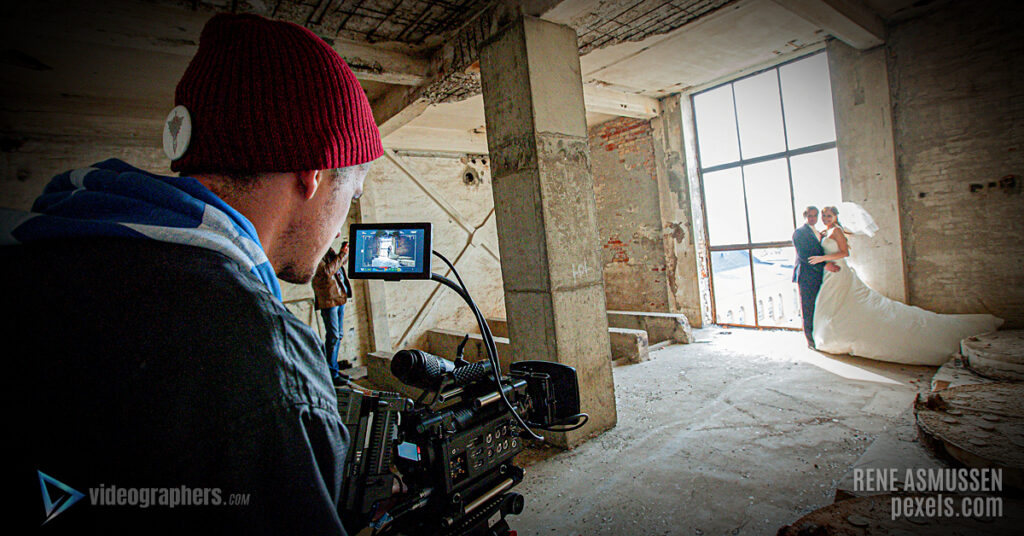
Featured BTS Photo: Rene Asmussen
Tips for Hiring a Wedding Videographer in 2026
1. Set a Realistic Budget
Wedding videography is an investment, so it’s important to establish a budget that aligns with your overall wedding spending. Packages can range from $1,000 to over $5,000 depending on the services provided. If videography is a top priority, allocate more funds accordingly.
2. Research and Compare
Look for videographers in your area and compare their portfolios, reviews, and pricing. Websites like WeddingWire, TheKnot, and Google reviews can provide insights into their style and reliability. Social media is also a great way to view their work.
3. Meet with Videographers
Schedule consultations with potential videographers to discuss your vision and get a feel for their personality. It’s crucial to have good chemistry since they’ll be capturing intimate moments of your day.
4. Review the Contract
Once you’ve chosen a videographer, carefully review the contract. Ensure it includes services such as editing, raw footage, and any other specific requests you may have. Also, check if there are additional fees for travel, re-edits, or extra coverage hours.
5. Book Early
Top videographers are often booked a year or more in advance, especially during peak wedding season. To secure your date, don’t wait too long to make a decision.
6. Communicate Your Expectations
Be clear about your must-have shots and the overall style you want for your wedding video. Provide examples or references to help your videographer understand your vision.

Featuring BTS Image: EliseFilms.com
Conclusion
Hiring a wedding videographer in 2026 is an investment in memories that will last a lifetime. By understanding the factors that affect pricing and following these tips, you can find a videographer that fits your style and budget, ensuring your special day is beautifully captured on film.